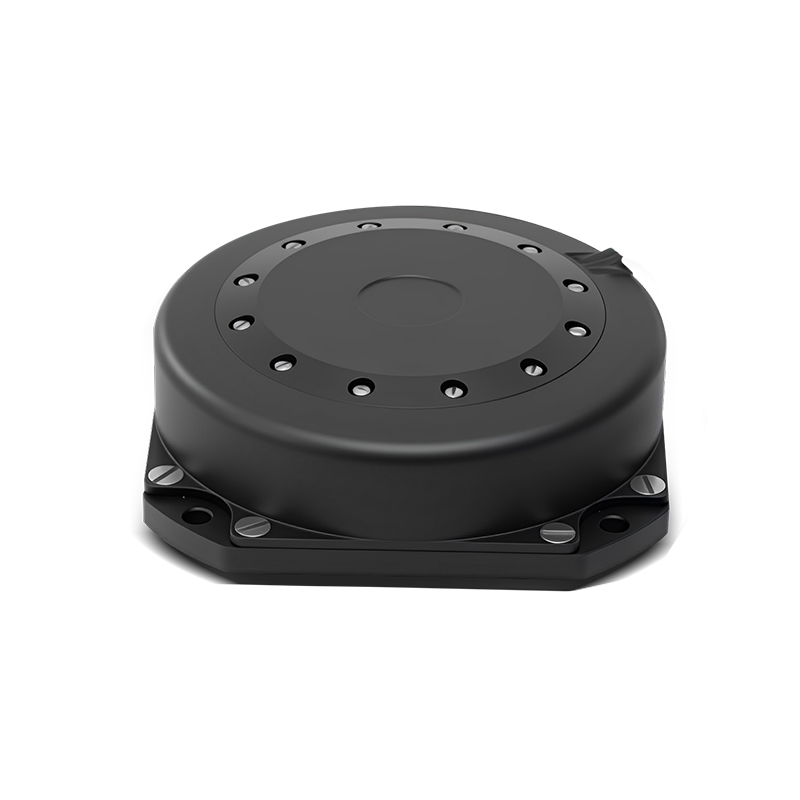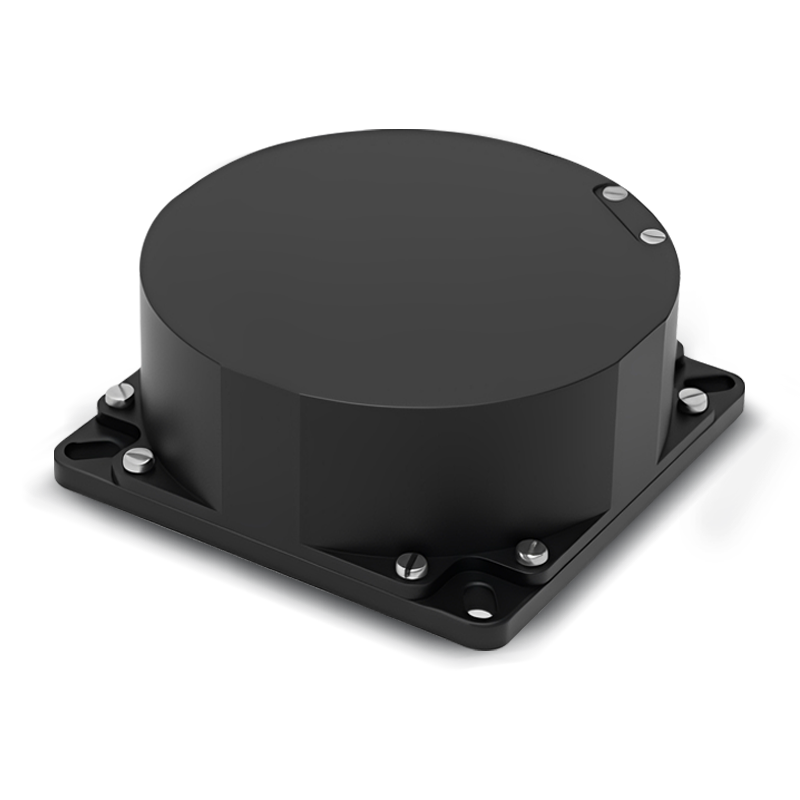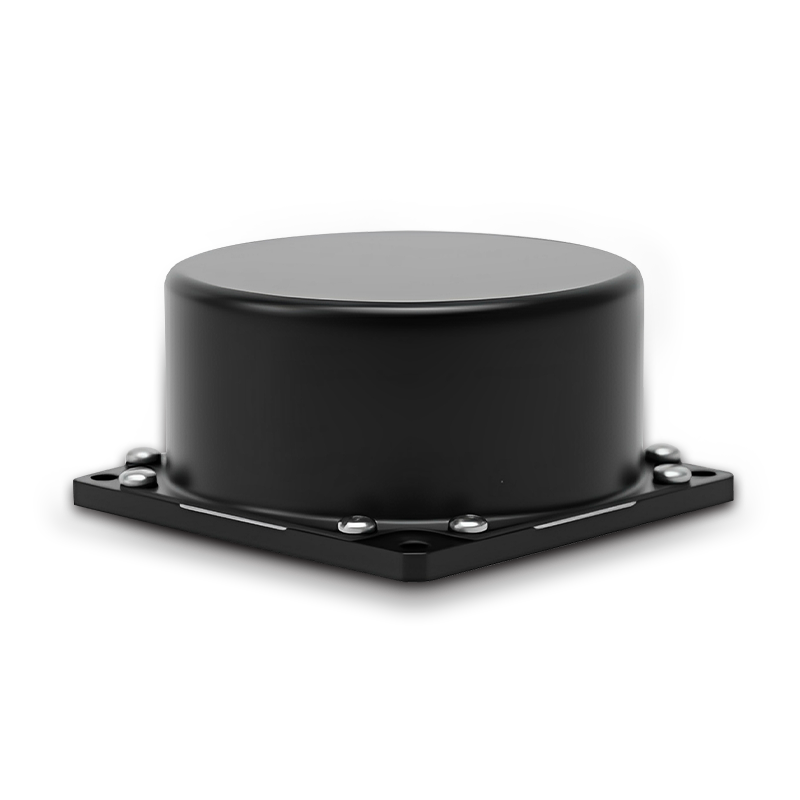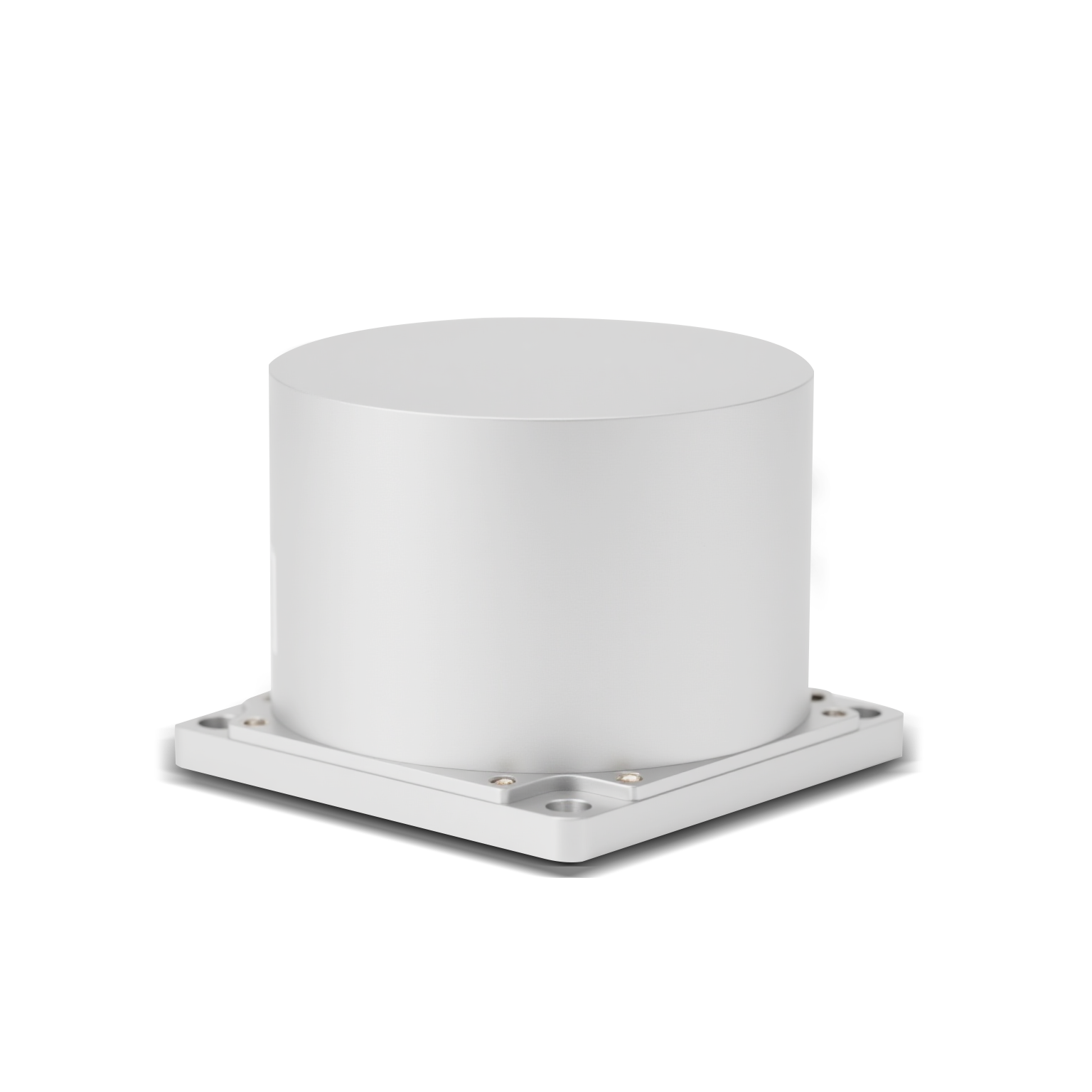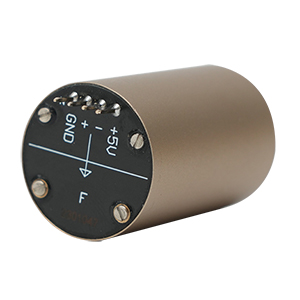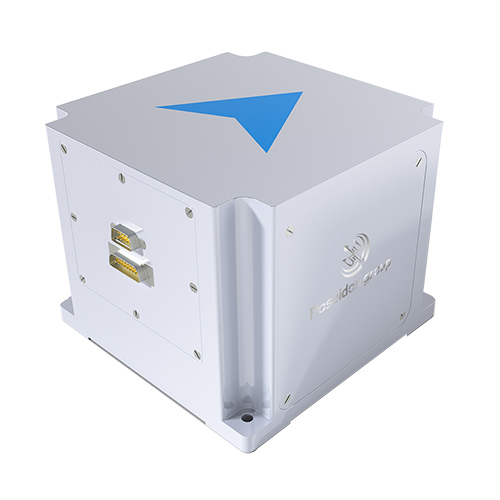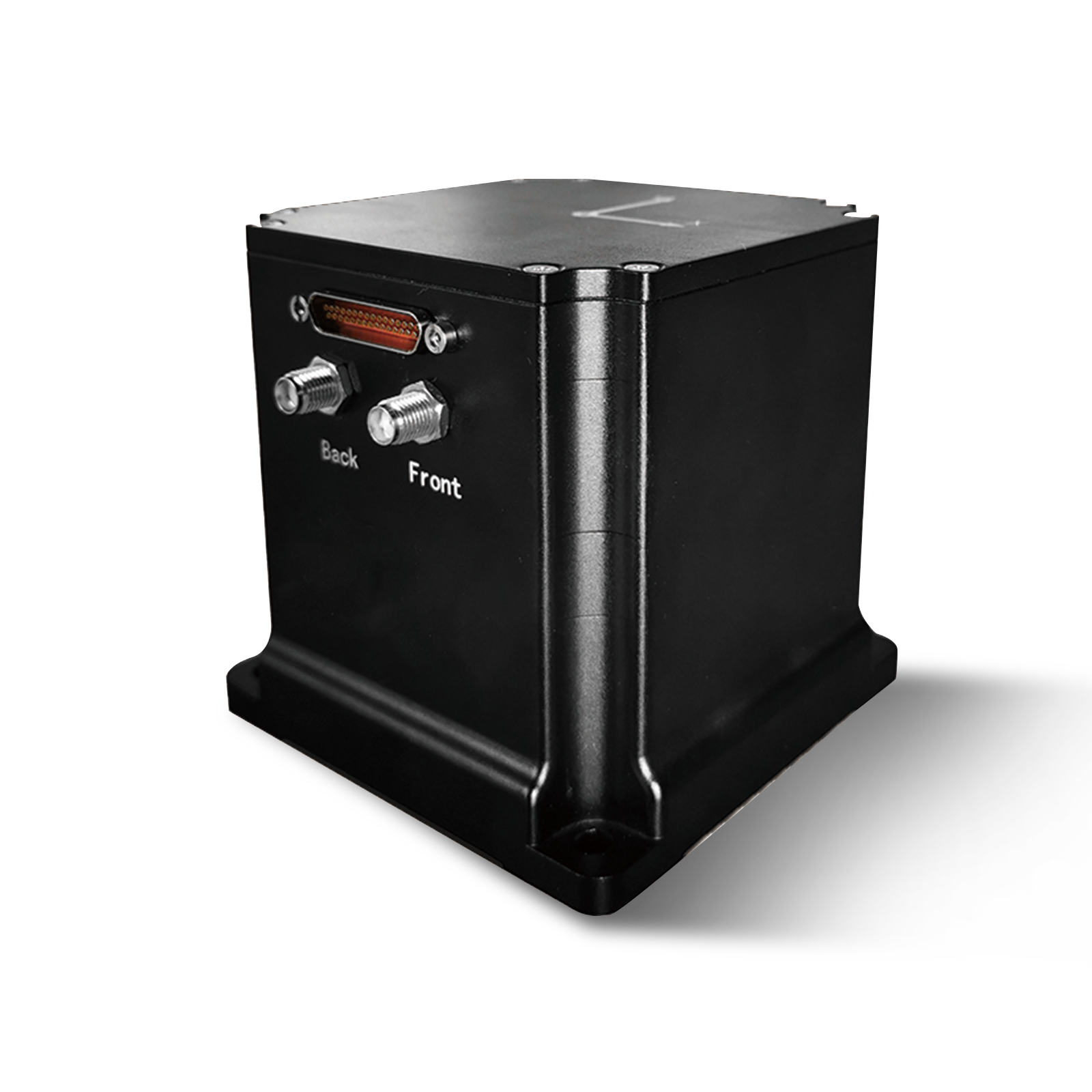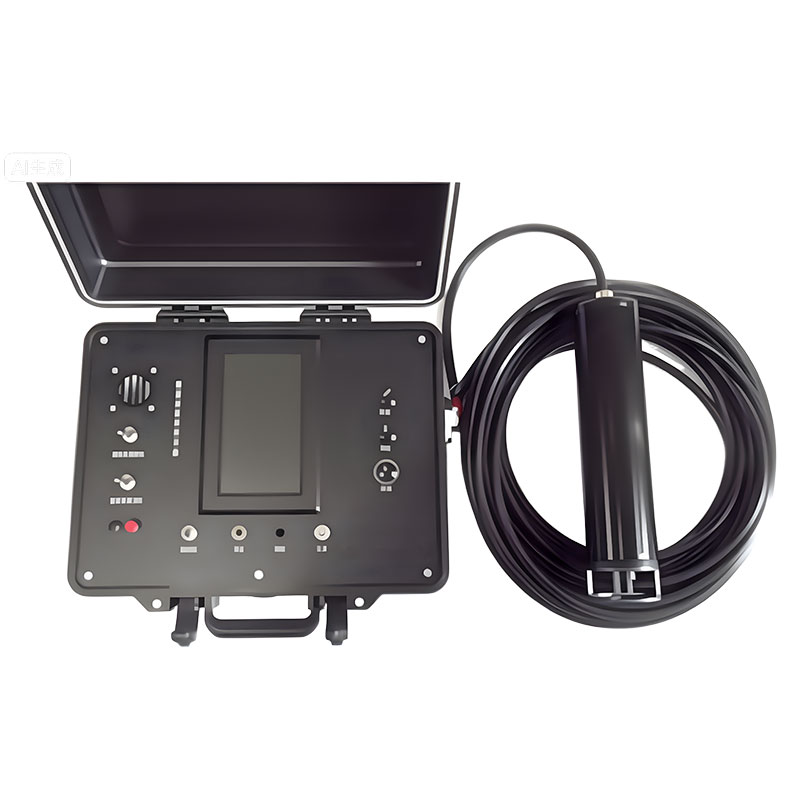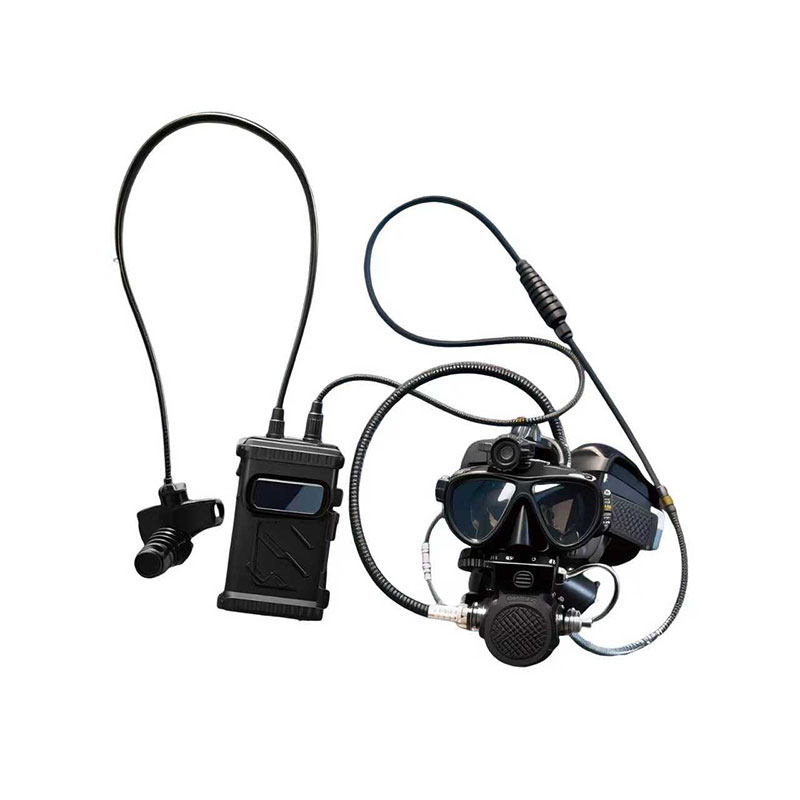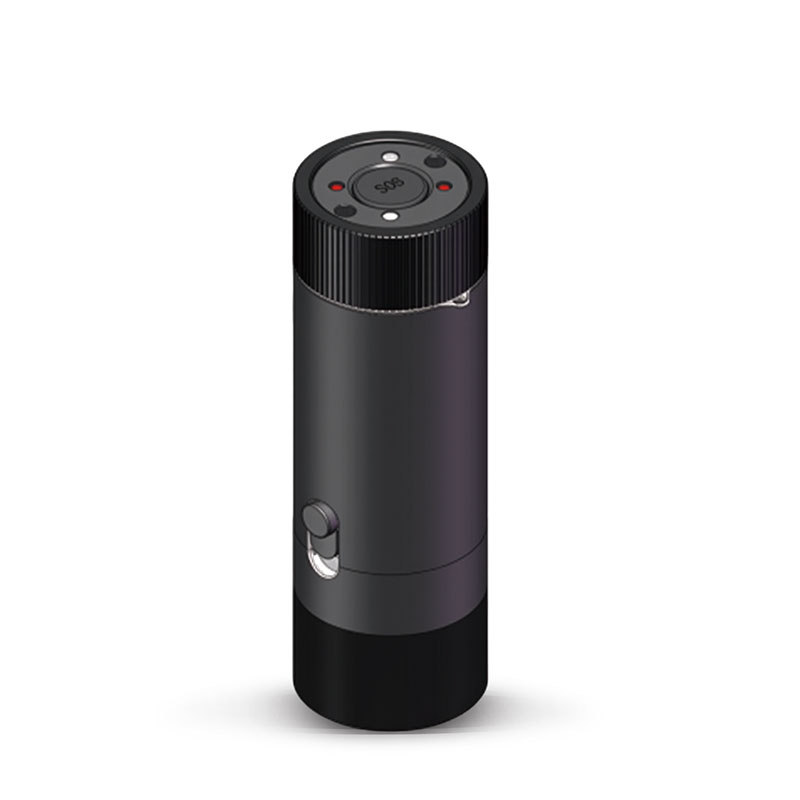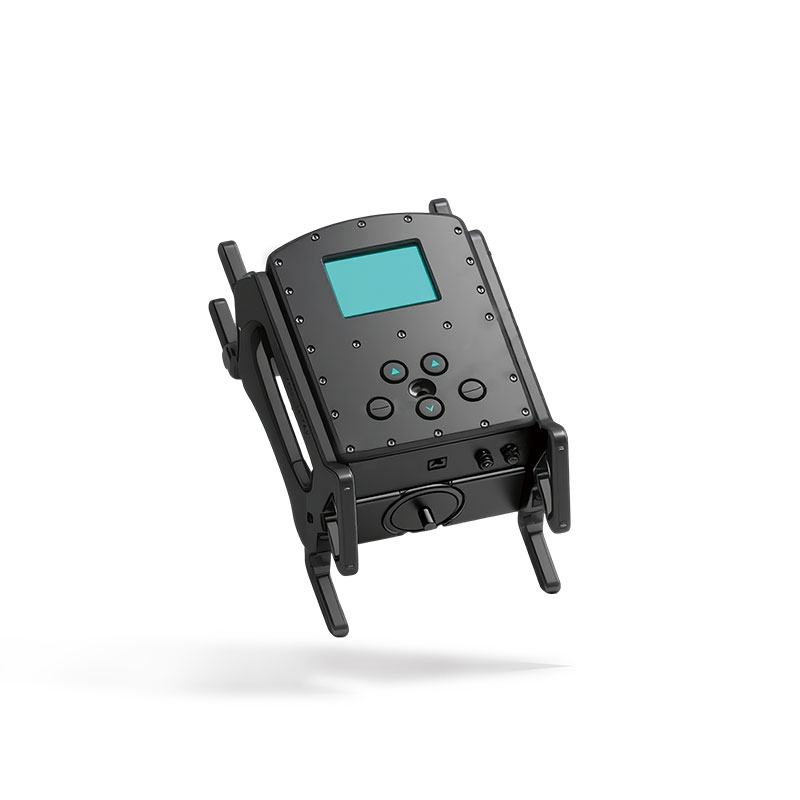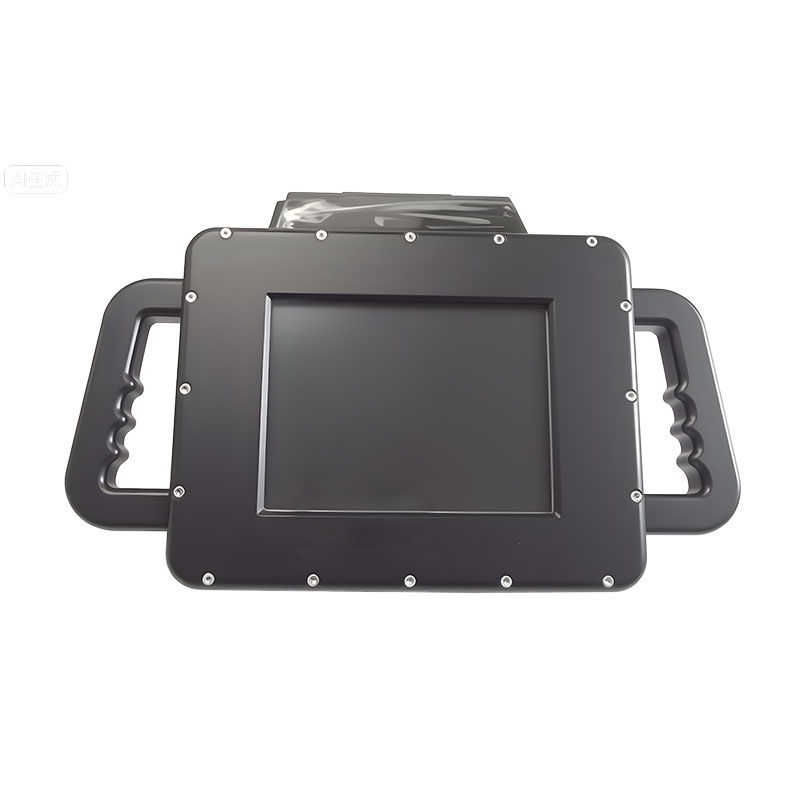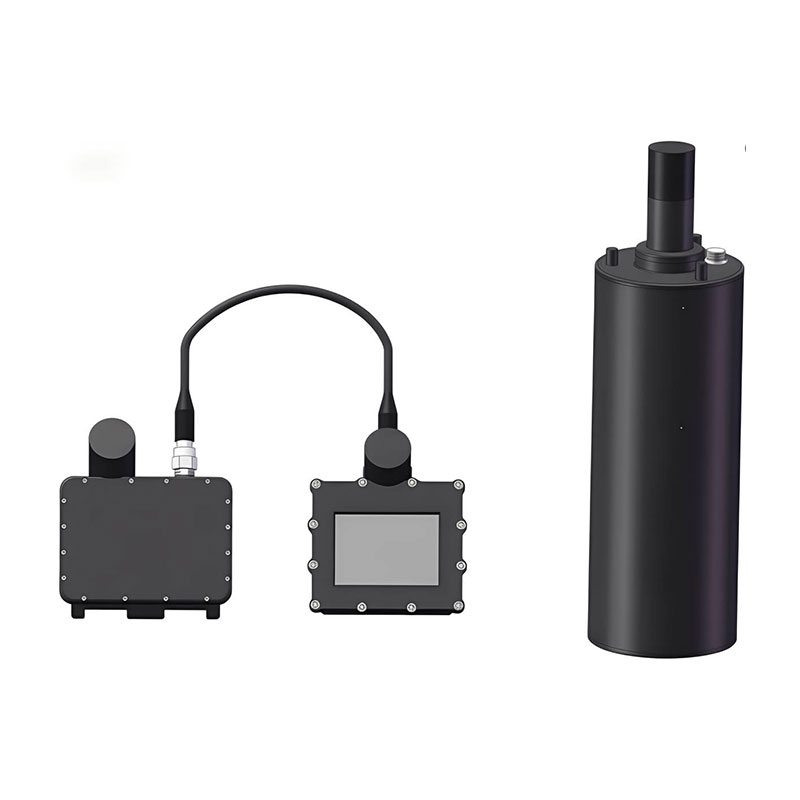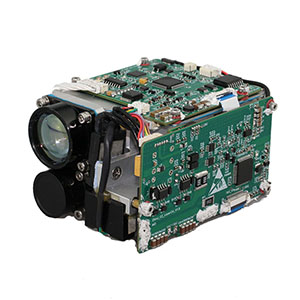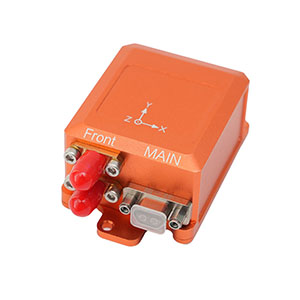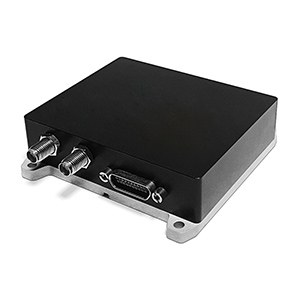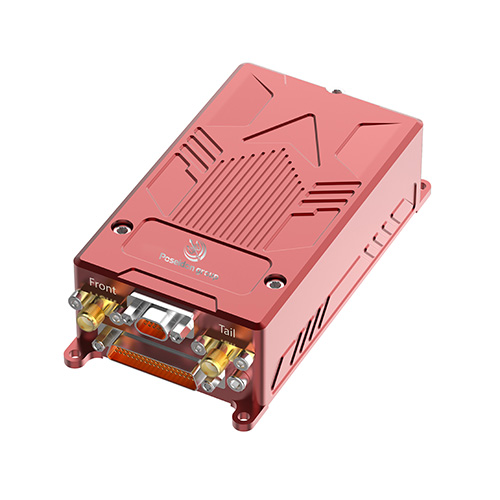
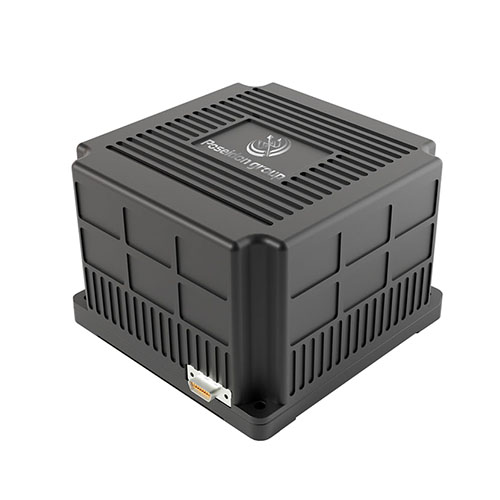
Picking out a cost-effective Air Data Reference System can actually feel pretty overwhelming. I mean, with all the options out there, it's easy to get a bit lost or unsure of what to choose. I remember when industry expert John Smith, who's actually the CEO of Aerotech Solutions, said something that stuck with me — he mentioned, "A well-chosen Air Data Reference System can really boost aircraft safety and performance." That just drives home how important it is to pick wisely.
A lot of buyers tend to focus just on the price, overlooking the quality and reliability — big mistake, in my opinion. Sometimes those cheaper systems are missing key features or might not be as dependable, which could lead to headaches down the line. So, really, you should think about what you actually need. Check for durability, precision, and overall fit for your situation. Finding that sweet spot between what’s affordable and what works well can save you a lot of trouble later.
And don’t forget to look at user reviews and expert advice — they can be super helpful. Just because a system looks cheap doesn’t mean it’s the best deal in the long run. Taking the time to dig into the specs will definitely pay off. Trust me, making a thoughtful choice now can mean safer, smoother flights tomorrow.

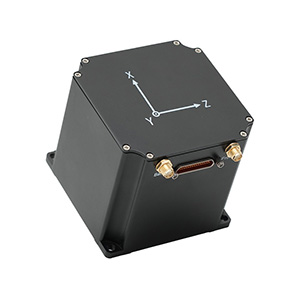
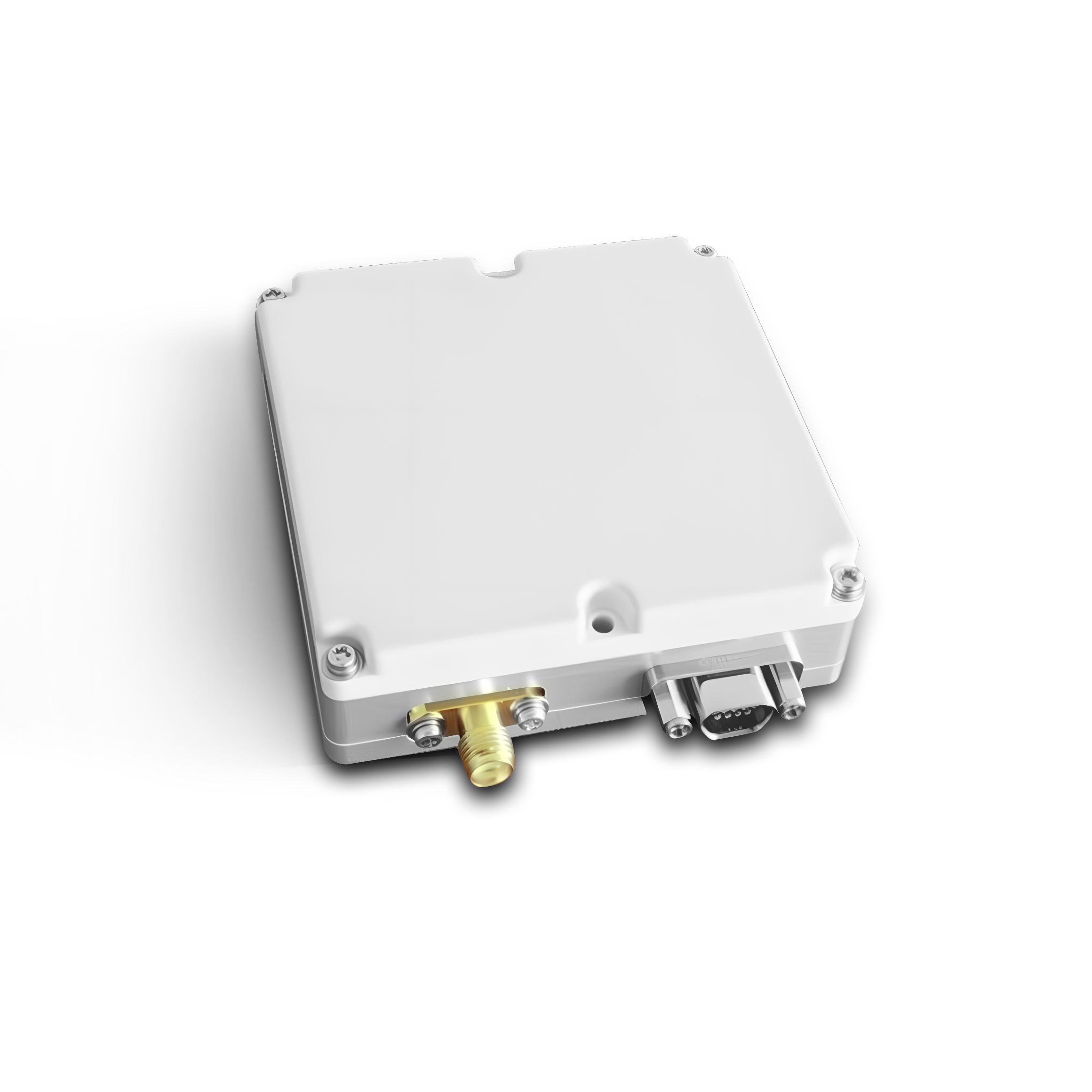
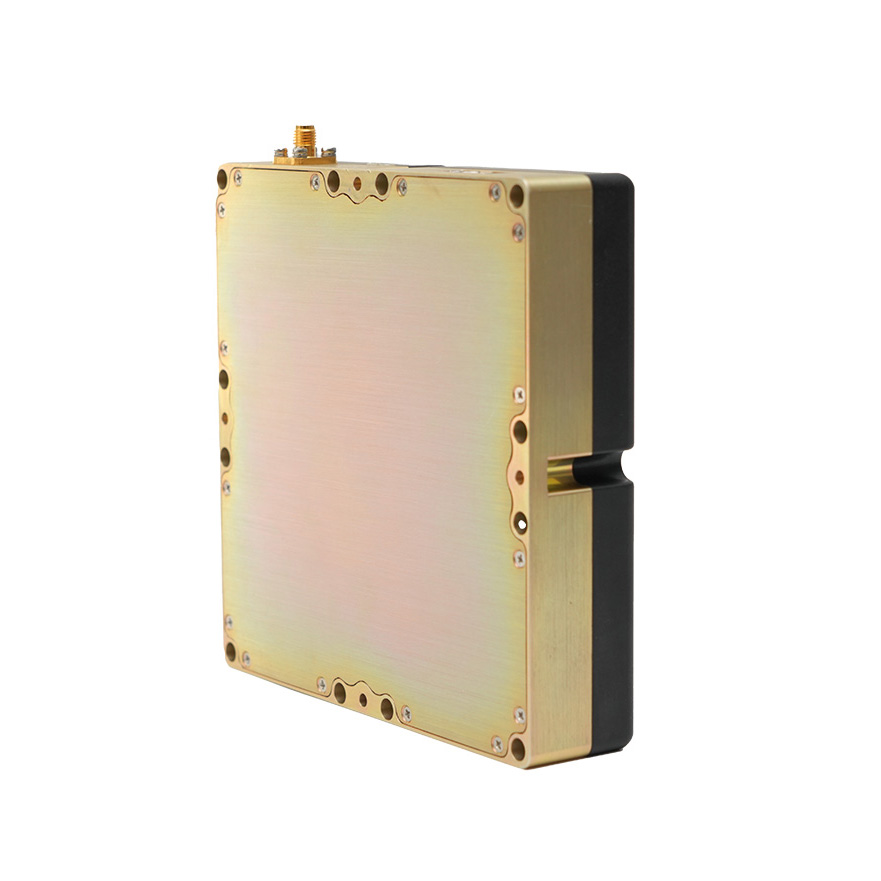
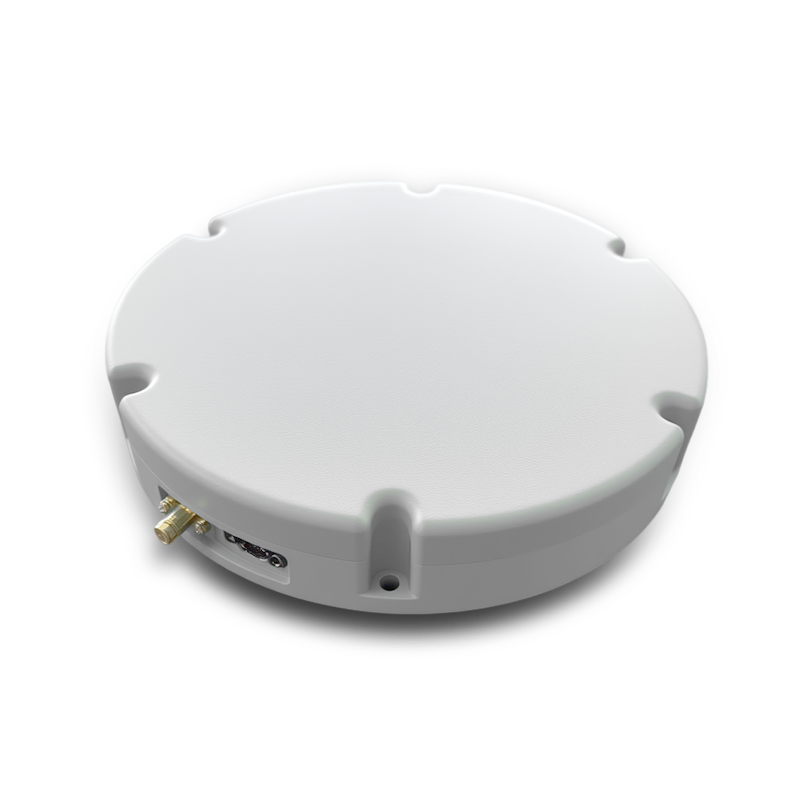
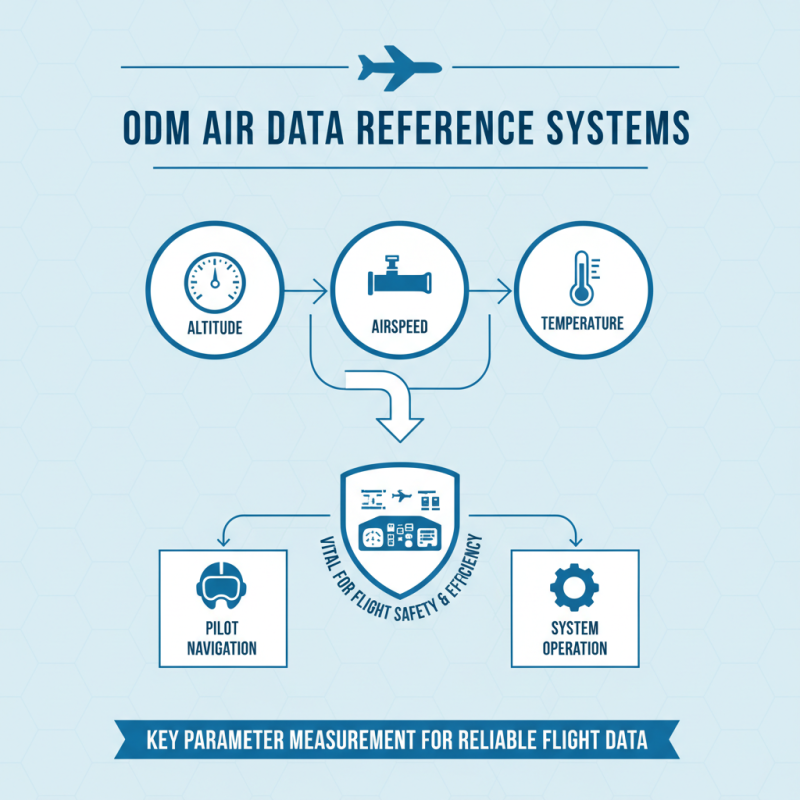
ODM Air Data Reference Systems play a crucial role in aviation. They measure key parameters like altitude, airspeed, and temperature. This information is vital for flight safety and efficiency. These systems capture data that pilots rely on for navigation and operation. Understanding how these devices function helps in selecting the right system.
When considering a cheap ODM air data reference system, look for accuracy and reliability. Cheap doesn't always mean low-quality, but be cautious. Verify specifications before making a purchase. Consider the environment where the system will be used. Factors like temperature variations and humidity can affect performance. Choosing a suitable system may require intensive research, and sometimes it feels overwhelming.
Some users may find inexpensive options lacking in durability or features. Feedback from other users could offer insight, but it can be biased. It's challenging to filter through opinions to find trustworthy information. Checking online reviews and forums could help clarify the decision. Balancing cost with quality is not always straightforward, and some trade-offs might be necessary.
When selecting a cheap ODM air data reference system, understanding your specific requirements is crucial. Start by identifying the primary functions you need. Do you require basic altitude data, or is precise airspeed measurement essential? This clarity will guide your decision-making process.
Tips: Always outline your must-have features. It simplifies your options. Remember, sometimes, less is more. Aim for a system that fulfills core needs without unnecessary extra features.
Next, consider compatibility with existing equipment. Ensure the system you choose integrates smoothly with your aircraft's avionics. Compatibility issues can lead to costly modifications later.
Tips: Review user manuals and specifications. Small details can save you money and frustration. Pay attention to the communication protocols used.
Many users overlook maintenance requirements. Understanding upkeep needs is vital for long-term performance. Some Air Data Inertial Reference Systems may require frequent calibration. This could increase your overall costs.
Tips: Factor in maintenance plans in your budget. Sometimes upfront savings lead to higher expenses later. Reflect on overall value, not just the purchase price.
When choosing a cost-effective ODM Air Data Reference Unit, focus on essential features. Accuracy is the cornerstone of functionality. Look for units that offer high precision in both altitude and airspeed measurements. A unit with a minimum error margin ensures reliable data, which is crucial for flight testing and calibration.
Another feature to prioritize is compatibility. The Air Data Reference Unit should easily integrate with your existing systems. Check the communication protocols. Many units offer flexible options for connectivity. This adaptability can save time and prevent costly upgrades in the future.
Consider the size and weight of the unit. A lightweight design can greatly enhance portability, making transportation easier. However, be cautious of sacrificing durability for weight. Some cheaper models might use less robust materials. Balancing cost with the need for a resilient unit is vital. Finding the right Air Data Reference Unit requires careful evaluation, but prioritizing these features can guide your decision.
| Feature | Importance | Typical Range | Price Range (USD) |
|---|---|---|---|
| Accuracy | High precision in measurements | ±0.5% to ±1% | 2000 - 5000 |
| Measurement Range | Wide range for various applications | -1000 to 10000 ft | 1800 - 4000 |
| Data Output | Compatibility with different systems | Analog, Digital | 1000 - 2500 |
| Weight | Ease of installation | Less than 10 kg | 1500 - 3000 |
| Durability | Long-term reliability in harsh conditions | IP54 or higher | 2500 - 6000 |
| Calibration Frequency | Requirement for maintenance | Annually | 500 - 1500 |
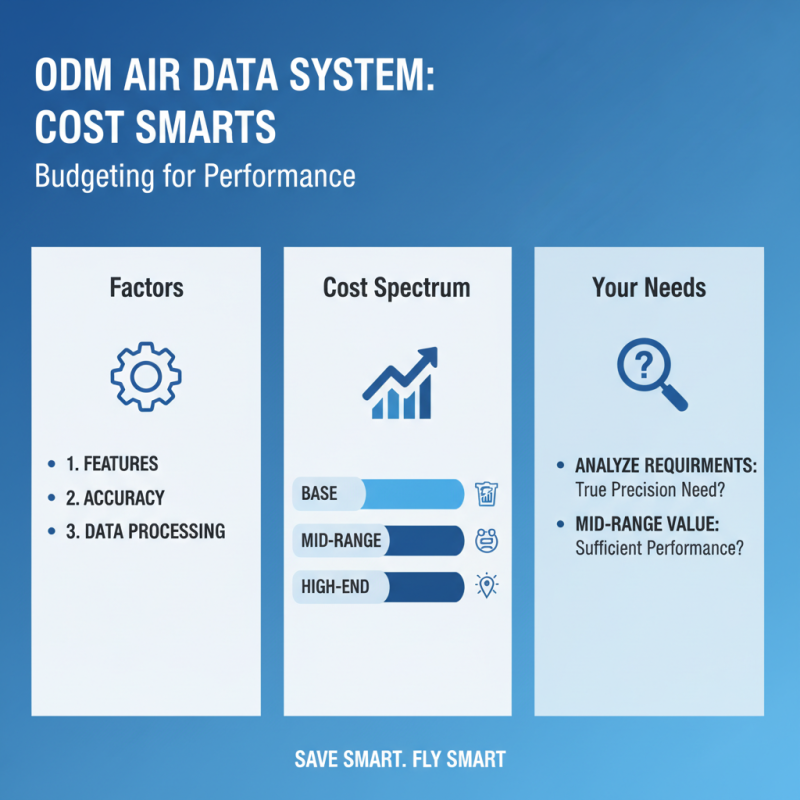
When budgeting for an ODM air data reference system, consider costs carefully. Prices can vary significantly based on features. Many systems offer different levels of accuracy and data processing capabilities. Analyze your needs. Do you really need the highest precision? Sometimes, mid-range options provide sufficient performance at a lower cost.
Inertial Data integration is essential for ensuring reliable readings. However, not all systems combine inertial data seamlessly. Investigate how each option handles this aspect. Costs may be lower if it lacks certain features. Be cautious; you might miss key functionalities that matter in critical applications.
It’s also wise to explore potential hidden costs. Installation and maintenance can add to your expenses. Some cheaper options may require more frequent service. This could offset initial savings. Make sure to gather feedback from users. Understanding real-world performance can help you make a better decision. In the end, focus on finding a balance between cost and quality.
When choosing an ODM air data reference system, finding reliable manufacturers and suppliers is crucial. Look for companies with a solid track record. Check reviews and feedback from other clients. This can help assess their reliability.
Tips: Start by browsing online forums. These platforms often discuss various manufacturers. You can gauge their reputation through community insights. Connecting with industry professionals can offer additional leads.
Evaluate their customer support. Good manufacturers should provide comprehensive assistance. If they are slow to respond or vague, it’s a warning sign. Consider testing their response times. A reliable supplier values every inquiry.
Don't overlook certifications and compliance. Ensure the manufacturer follows industry standards. This may prevent future complications. Remember, the cheapest option may not be the best. Quality and support are just as important as price. Take your time to make a well-informed decision.
When choosing a cheap ODM air data reference system, compatibility is key. You need to assess how well it fits with your existing equipment. Evaluate port types and communication protocols. Check if the system integrates with your current setup without major adjustments.
Inertial Measurement Unit Data is essential for precision in aviation systems. If your aircraft already uses a specific format, ensure the new system supports it. Otherwise, you might face data translation issues. It’s crucial to analyze past experiences with equipment failures and mismatches. This can guide your decision.
Don’t shy away from seeking input from peers. Their insights about past compatibility challenges can prove invaluable. Sometimes, an economized choice leads to unexpected integration issues. Reflect on what you truly need, rather than just hoping for a bargain.
When choosing an ODM air data reference system, customer reviews hold immense value. Feedback from users often provides insights you cannot find in product descriptions. Many reviews highlight issues like inaccurate data readings or software glitches. These comments prompt potential users to think critically about system reliability.
Some customers appreciate the affordability of certain ODM systems but note compromises in quality. An inexpensive model may not meet professional standards, leading to frustrating experiences. Others mention that additional features could justify a higher price point. It’s essential to weigh these factors before deciding.
Positive testimonials often emphasize user-friendly interfaces and effective customer support. Users appreciate systems that are easy to set up and calibrate. A few reviews, however, mention difficulties during installation. Such concerns shouldn't be overlooked. Real-life experiences are crucial for understanding what you truly need in an air data reference system. Consider your specific requirements and be cautious of any overly optimistic reviews.
: The article aims to provide insights on a particular topic, focusing on practical advice.
The article targets individuals seeking information or solutions related to the topic.
Yes, the article includes examples that illustrate key points and demonstrate practical applications.
The article highlights various challenges, such as misconceptions or implementation issues that readers may face.
Some suggestions require careful consideration and adjustments based on your unique situation.
The article draws from reliable sources, but readers should verify facts independently when necessary.
Gaining this insight can improve decision-making and enhance your understanding of the topic.
Seeking additional resources or consulting experts in the field might be beneficial.
Yes, some strategies might not work for everyone and could lead to unforeseen issues.
Regularly reassessing the content ensures alignment with current trends and personal growth.
Choosing a cost-effective ODM Air Data Reference System requires a thorough understanding of its functions and how they align with your specific needs. Begin by evaluating your requirements for air data systems to identify essential features that will maximize performance while remaining within budget. As you explore options, focus on key aspects such as accuracy, reliability, and compatibility with existing equipment.
Additionally, comparing costs among different manufacturers and suppliers can reveal budget-friendly options without compromising quality. It's also crucial to assess customer reviews and testimonials to gauge the performance and reliability of the systems you are considering. By carefully analyzing these factors, you can secure an ODM Air Data Reference System that meets your operational needs while being financially viable.